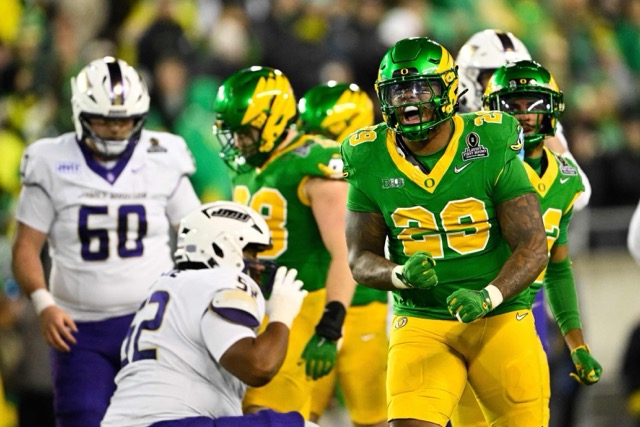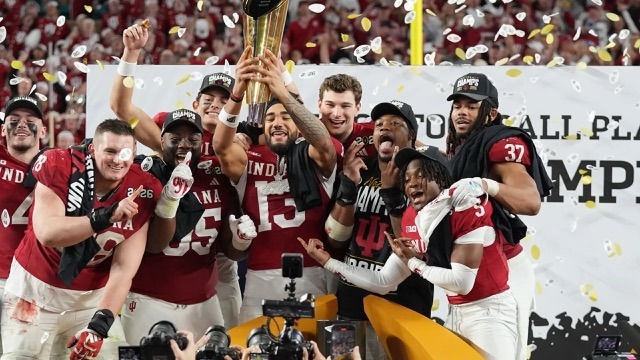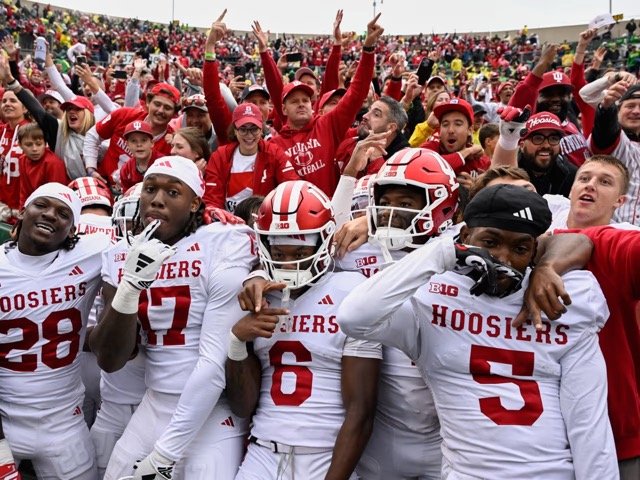
Conference games are important in college football because they can decide standings, championship chances, and playoff positions. These matchups often feature familiar teams with long histories against each other. Coaches know their opponents well, and players understand the intensity of these rivalry games.
This combination creates compelling matchups that attract attention throughout the NCAAF 2026 season. The familiarity between conference opponents often results in closely contested games that can be difficult to predict using season records alone. Teams frequently adjust their game plans to account for opponents they know exceptionally well.
Familiar Opponents Create Different Expectations
Conference opponents spend years studying each other’s tendencies, making every matchup unique compared to games against unfamiliar programs. Coaches have extensive film to study, helping them prepare for offensive and defensive strategies developed over multiple seasons. This deeper preparation often creates tactical battles that differ from typical regular-season contests. As a result, evaluating conference games requires more than simply comparing overall records.
Many fans also follow matchup expectations through resources such as FanDuel Sportsbook, where projected game outlooks provide additional context before kickoff. These projections can be considered alongside team performance, recent form, and historical rivalry results when evaluating conference games. Looking at several sources of information helps create a more complete understanding of each week’s biggest matchups. This balanced approach has become increasingly popular throughout the college football season.
Rivalries Add Extra Intensity
Many conference games feature rivalries that have developed over decades of memorable competition. These games often carry added significance for players, coaches, and supporters regardless of each team’s standings. The atmosphere surrounding rivalry games frequently elevates the level of competition from the opening kickoff until the final whistle. Every possession can have a major impact as both teams compete for conference pride.
Historical rivalries also mean recent statistics are only one part of the evaluation. Teams can sometimes perform differently against familiar opponents they have faced for generations. Coaching staff often introduce unique strategies specifically designed for these annual meetings. This added preparation contributes to the distinctive nature of conference competition.
Team Trends Become More Meaningful
Conference play usually occurs after teams have established their identities during the early part of the season. By this stage, offensive strengths, defensive consistency, and coaching tendencies have become easier to evaluate. These trends provide valuable context when comparing conference opponents preparing for important matchups. Looking at recent performances often offers greater insight than relying solely on preseason expectations.
Momentum can also become increasingly important during conference schedules. Teams entering a matchup after several strong performances often carry confidence into the next challenge. Likewise, consistent execution on both sides of the ball may continue against familiar opponents. Monitoring these developments throughout the season helps create a clearer picture before each game begins.
Coaching Adjustments Shape Every Conference Battle
Conference matchups often highlight coaching strategy, as staff have extensive experience preparing for familiar opponents. Throughout the season, coaches study previous meetings to identify tendencies, successful formations, and areas where small adjustments can make a meaningful difference. These detailed preparations often lead to creative game plans that evolve as the contest unfolds. Every adjustment becomes increasingly important when both teams understand each other’s strengths and preferred styles of play.
For fans following conference action, observing coaching decisions provides additional insight into how games may develop from one quarter to the next. Halftime adjustments, player rotations, and situational play calling can influence momentum in closely contested games. Comparing these strategic factors with recent team performances provides a more complete view of each matchup. This emphasis on preparation and adaptability is another reason conference football consistently delivers some of the most engaging contests of the college football season.
Looking Beyond Season Records
Overall records do not always tell the complete story when conference opponents meet. A team with fewer victories may match up exceptionally well against a particular rival because of its style of play or defensive strengths. Understanding these matchup-specific factors allows for a more complete evaluation than simply comparing win-loss totals. Conference games regularly show how competitive balance can outweigh overall season performance.
Home-field advantage can be especially noticeable in conference contests. Familiar stadiums, passionate supporters, and established traditions can create an intense atmosphere that influences the game’s rhythm. Visiting teams must adapt quickly while maintaining focus throughout four quarters. Considering these elements alongside recent performance provides a broader perspective on conference matchups.
Why Conference Games Remain a Focus Throughout the Season
Conference games remain important because they can affect championship races and playoff chances. Rivalries and familiar opponents make these matchups more exciting for fans. Team performances continue to change throughout the season, creating new storylines each week. Every game can impact the conference standings in meaningful ways. These matchups keep fans engaged from the start of the season to the end.
About the Author